Overview

Workplace discrimination obstructs fairness and negatively impacts employee health, while policies that accommodate (i.e., support) worker identities foster respect and hospitality. There has been increasing interest in diversity and inclusion within healthcare, and this study builds upon our prior national survey of American Muslim physicians. Run out of the Medical College of Wisconsin, and in partnership with the Initiative on Islam and Medicine, Islamic Medical Association of North American, and American Muslim Health Professionals, our study aimed to further understand how religious identity impacts workplace experiences. These data will be used to suggest best practices and policy enhancements for reducing discrimination and improving the accommodation of physician religious identity in healthcare systems. This project was funded by the Greenwall Foundation Making a Difference Award.
Objectives
Assess how religious identity impacts workplace discrimination, accommodation, and several psychological and professional outcomes among Muslim physicians.
Examine Muslim physicians’ experiences with discrimination and accommodation, and identify barriers to the inclusion of Muslim physicians.
Objectives
- Assess how religious identity impacts workplace discrimination, accommodation, and several psychological and professional outcomes among Muslim physicians.
- Examine Muslim physicians’ experiences with discrimination and accommodation, and identify barriers to the inclusion of Muslim physicians.
Methodology
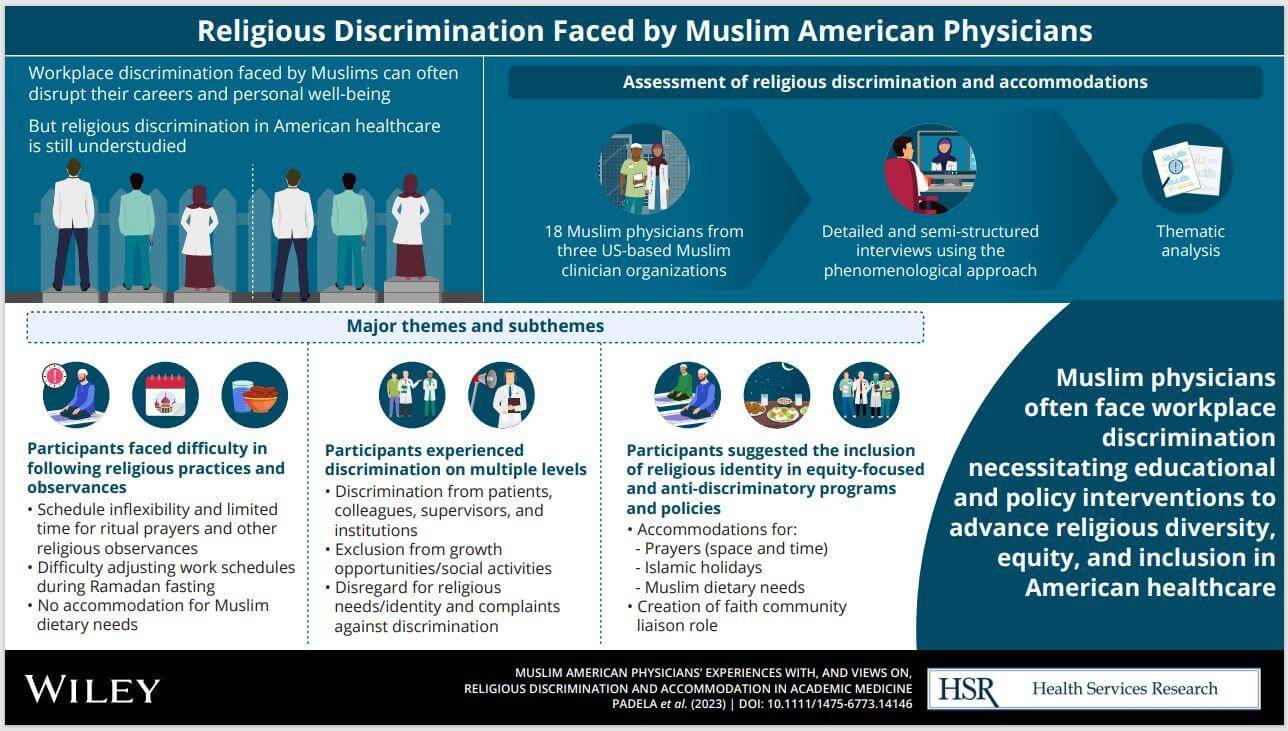
To obtain a sample of physicians who self-identify with Islam, we sought out national Muslim clinician organizations that explicitly integrated religious and professional identities in their organizational title and mission statements. Our sample was recruited from the Islamic Medical Association of North America (IMANA), American Muslim Health Professionals (AMHP), and the US Muslim Physician Network. In collaboration with these groups, we conducted an online cross-sectional survey and interviewed a purposive sample of respondents from March-August 2021.
To be eligible for participation, physicians had to be:
- English-speaking.
- Self-identify as Muslim.
- Currently work and affiliated with a university-hospital in the US in the past 20 years.
This study was approved by the institutional review board at the Medical College of Wisconsin. Informed consent was obtained from all subjects involved in the study.
Survey Participants
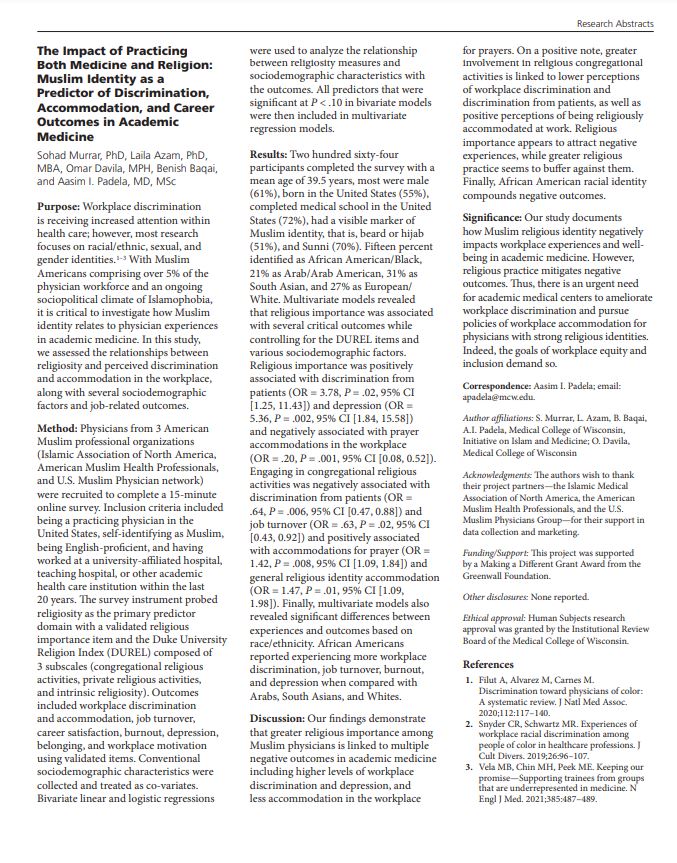
The 264 participants who completed the survey had a mean age of 39.5 years. Most were male (61%), born in the US (55%), completed medical school in the US (72%), and had a visible marker of Muslim identity, i.e., beard or hijab (51%), and Sunni (70%). Fifteen percent identified as African American/Black, 21% as Arab/Arab American, 31% as South Asian, and 27% as European/White.
A majority (63%) attended congregational religious services greater than a few times a month, engaged in private religious activities (53%) two or more times per week, experienced the presence of the Divine in their lives (73%), based their whole life approach on their Islamic beliefs (75%), tried to carry Islam into all dealings in their lives (74%) and considered religion to be of high importance in their lives (74%).
Interview Participants
When completing the survey, 186 participants met the eligibility criteria and indicated an interest in an interview. Of those participants, 18 were interviewed.
The average age of interviewees was 41.5 years, and over half of the group (11/18) were female. Most of the participants interviewed were South Asian (13/18), and half (9/18) were born in the United States.
To better situate their experiences in the context of the interviewees, a couple of survey items were used to categorize interviewees as experiencing either high religious discrimination or low religious discrimination; nine participants fell into each group. Similarly, they were categorized as experiencing either high religious accommodation or low religious accommodation; there were 12 participants in the first category and 6 participants in the second category.
Results
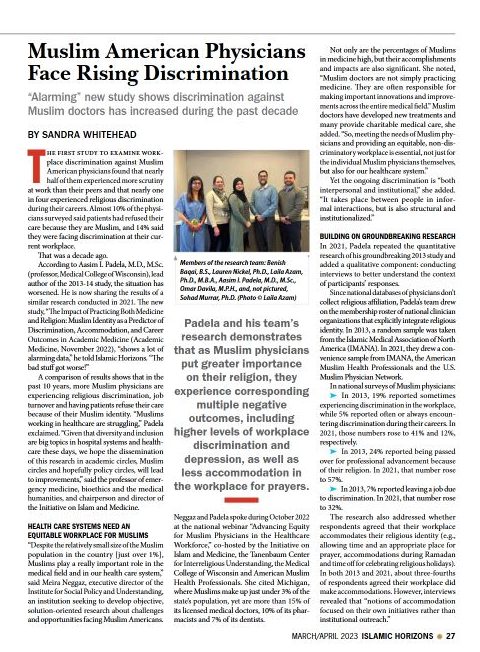
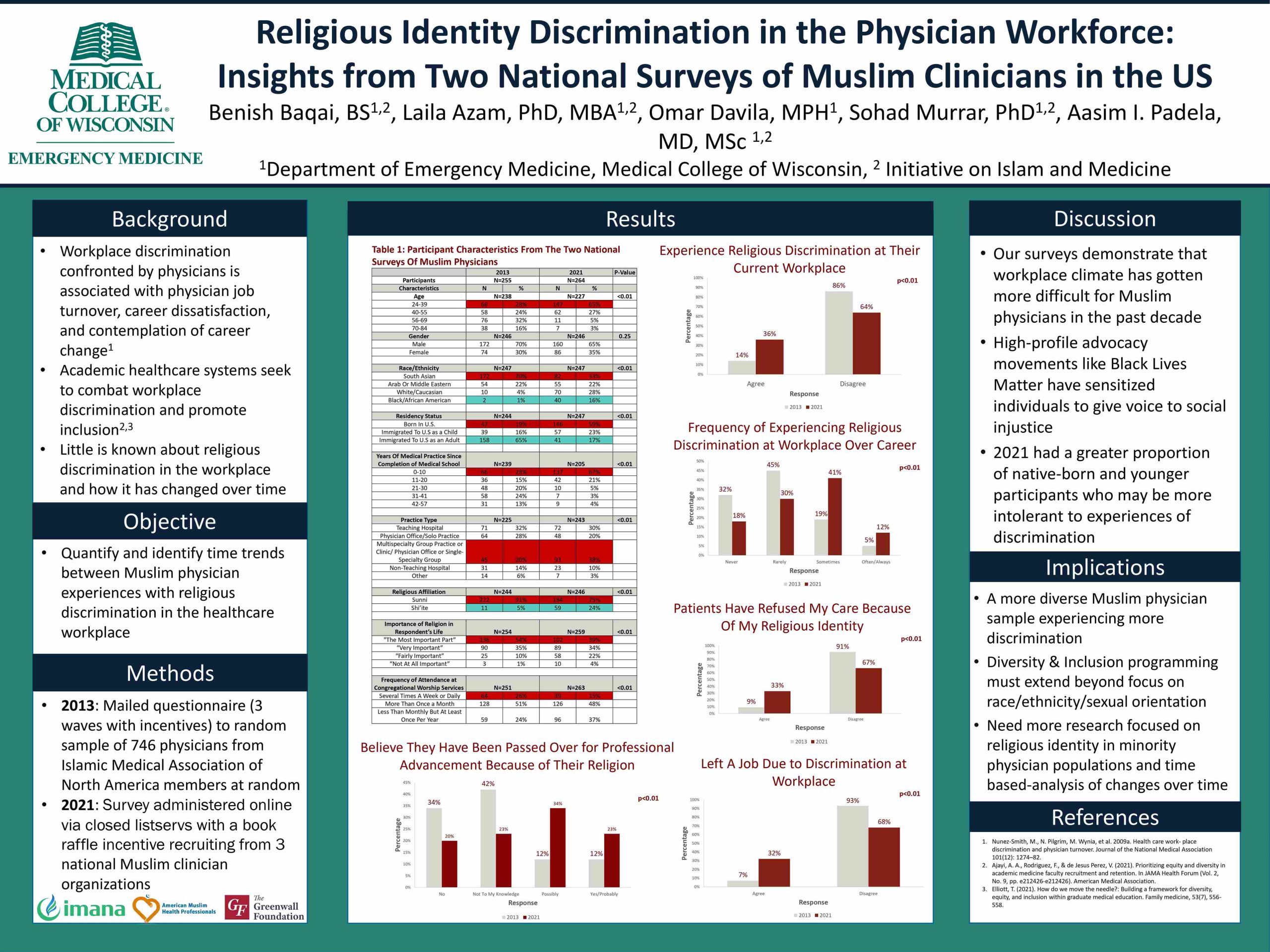
Over the past 10 years, an increased number of Muslim physicians are experiencing religious discrimination, job turnover, and having patients refuse care.
The following results reveal the impact of religious discrimination on the professional and psychological outcomes for Muslim physicians in the healthcare workplace.
The following results video the impact of religious Discrimination and the professional and Psychological outcome and the Symphysition and health care work.
- Workplace Discrimination
- Accommodations for Religious Identity
- Personal and Professional Impacts of Workplace Discrimination
- Religious Discrimination
- Depression, Anxiety, and Burnout
- Inadequate Accommodation at Work
- Religious Discrimination and Workplace Challenges Among UK Muslim Physicians
Muslims Physicians Increasingly Experience Religious Discrimination in the Healthcare Workplace
In the 2021 survey:
- 53% reported frequently encountering religious discrimination in their career.
- 36% currently experience discrimination at work directed at their religious identity or otherwise.
- 33% reported patients refusing their care on account of the treating clinician, e.g., the survey participant, being Muslim.
- 57% believed they had been passed over for professional advancement due to their religious identity.
Multivariate data analysis revealed that :
- Religious importance was positively associated with discrimination from patients.
- Engaging in congregational religious activities was negatively associated with discrimination from patients and job turnover.
Furthermore, interviews with 18 physicians revealed that this physician group experienced discrimination from all corners, including colleagues, administration, and patients, and that these experiences included being subject to additional scrutiny and Islamophobic comments.
For example, one South Asian female participant noted a lack of support from leadership:
Muslim Physicians are Experiencing Depression, Anxiety, and Burnout
Survey participants reported experiencing symptoms of depression, anxiety, and burnout. Forty-eight percent of participants noted having little to no interest in doing things over the past two weeks. Participants who felt religion was important to their lives had higher rates of depression. Moreover, experiencing greater levels of religious discrimination over one’s career correlated with depressive symptoms.
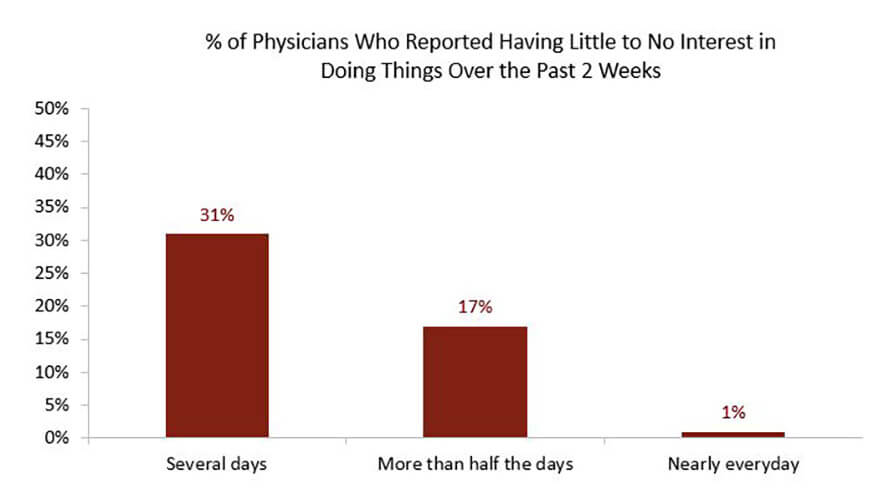
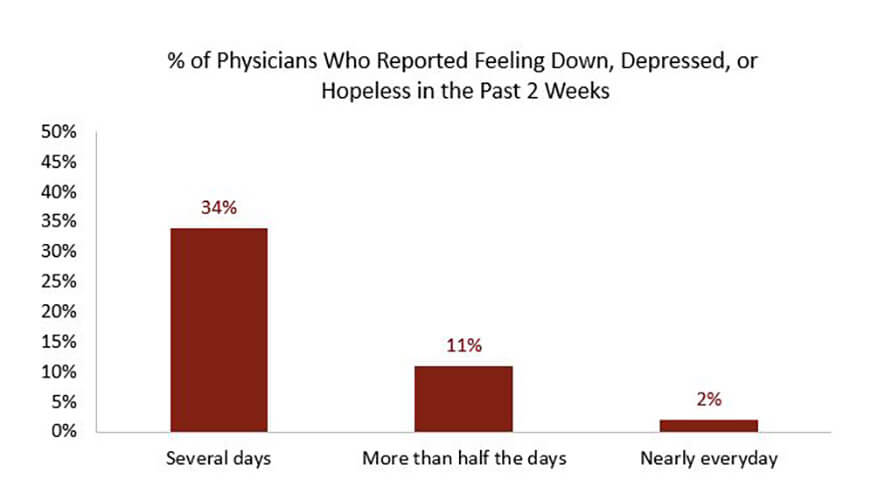
Forty-seven percent of participants reported feeling down, depressed, or hopeless in the past two weeks. Twenty-one percent of participants screened positive for depression.
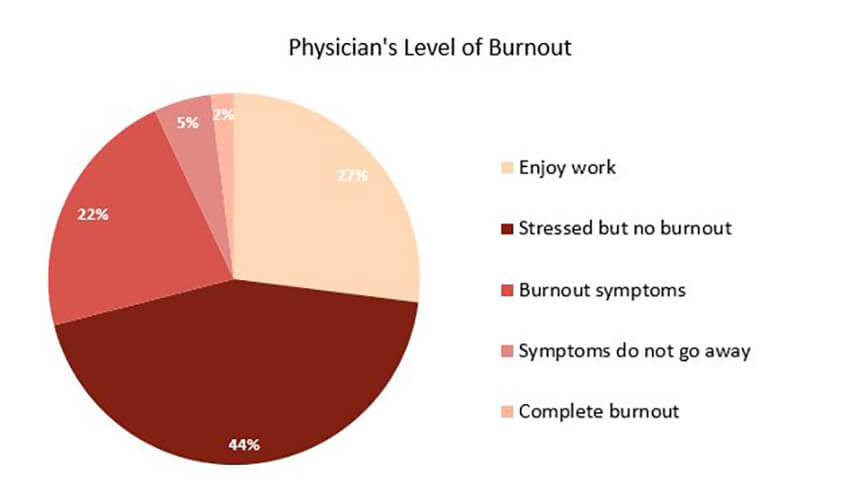
Twenty-nine percent of participants acknowledged one or more symptoms of burnout, such as physical or emotional exhaustion.
Interview participants shared the psychological health toll of workplace discrimination. Out of the 18 participants, 12 feared revealing their religious identity; 10 harbored stress due to microaggressions; and 10 experienced depression/anxiety. One South Asian female participant noted:
Muslim Physicians’ Religious Identity is Inadequately Accommodated at Work
In the 2021 survey, almost three-fourths of respondents agreed with the statement that their workplace accommodates their religious identity. Multivariate data analysis revealed that:
- Religious importance was negatively associated with prayer accommodations in the workplace.
- Engaging in congregational religious activities was positively associated with accommodations for prayer and general religious identity accommodation.
Interview participants shared that notions of accommodation focused on their own initiatives rather than the institutional outreach. In other words, many participants felt ‘accommodated’ through their own efforts at managing prayer or getting holidays covered by colleagues. Participants did not find a proactive and welcoming environment where they were being granted religious accommodations by their employers. This ‘self-accommodation’ may have started at the beginning of their careers with their choice of specialty. As one Arabic female participant mentioned:
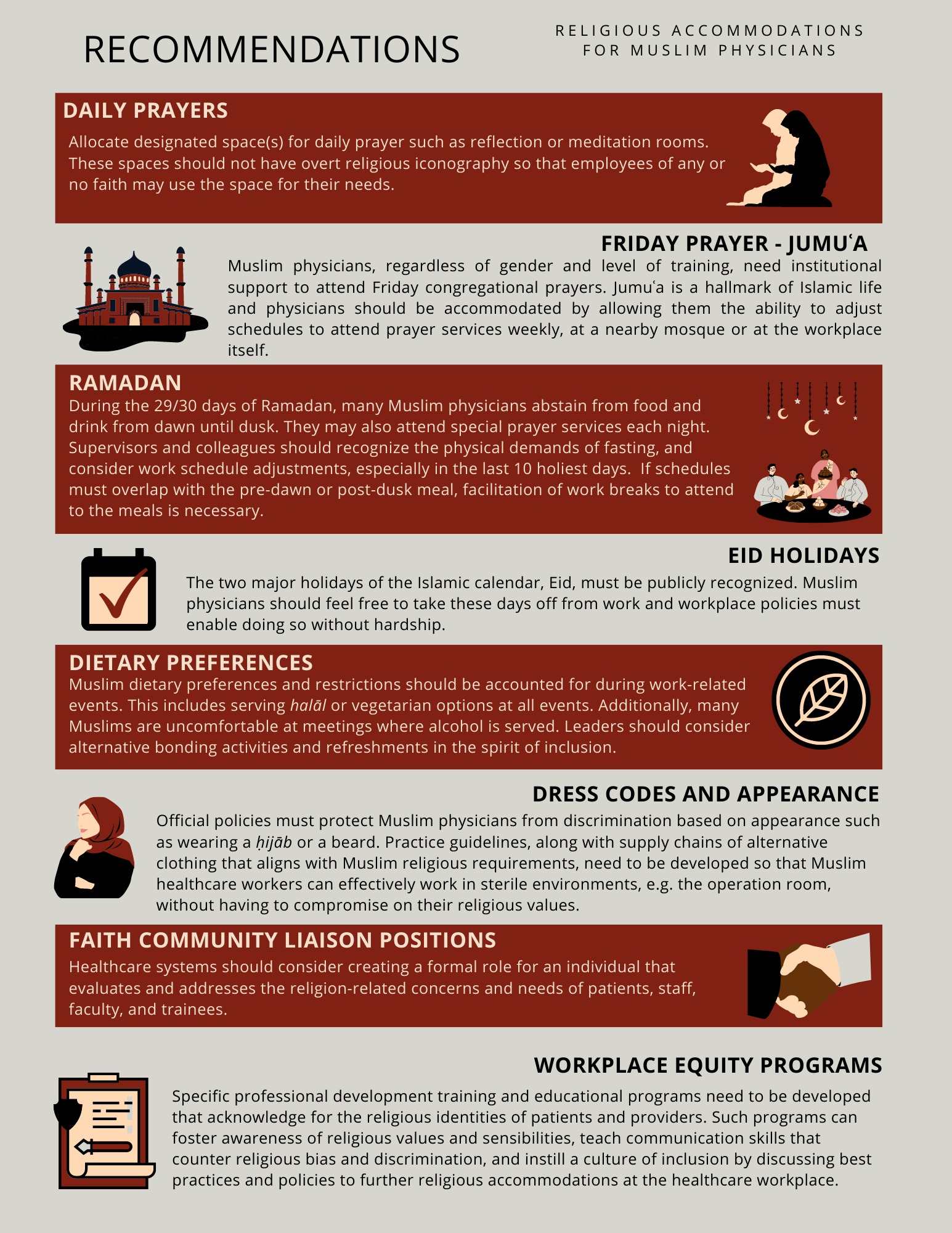
Physician interviews revealed that not having a designated neutral prayer space at hospitals was a barrier and that the burden fell on them to secure time and space to pray. For example, participants noted being fearful of negative outcomes should they ask supervisors or administrators to accommodate their need to pray, fast, or observe holidays and religious dress codes. This fear of judgment was most pronounced during training, when medical students and residents were evaluated, in part, on how well they meshed within workplace hierarchies. Interview participants also identified being unable to routinely secure scheduling accommodations for Ramadan fasting and the holidays of Eid, and challenges in maintaining Islamic dress codes, for example the ḥijāb.
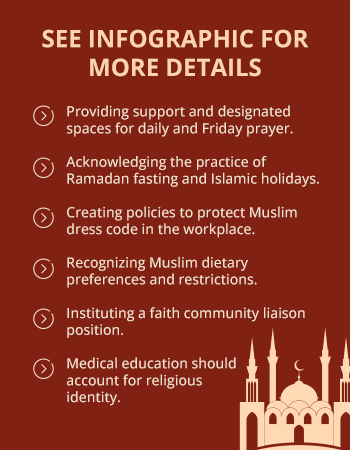
The following suggestions were provided by interview participants for how their religion could be better accommodated at work (see infographic for more details):
- Providing support and designated spaces for daily and Friday prayer.
- Acknowledging the practice of Ramadan fasting and Islamic holidays.
- Recognizing Muslim dietary preferences and restrictions.
- Creating policies to protect Muslim dress code in the workplace.
- Instituting a faith community liaison position.
- Medical education should account for religious identity.
Religious Discrimination and Workplace Challenges Among UK Muslim Physicians
Our research examines the impact of religiosity, workplace discrimination, and religious accommodation on UK Muslim physicians’ professional and psychological well-being. A national survey conducted in 2021 among 104 British Islamic Medical Association members (mean age 39) revealed significant workplace challenges. The majority of participants were male (56%), Asian (81%), and adult immigrants to the UK (56%), with 73% wearing a hijāb or beard.
Findings showed that 40% experienced workplace discrimination, with 44% facing regular discrimination since medical school and 38% currently encountering it at work. Additionally, 15% had patients refuse care based on their religion, and 56% felt heightened scrutiny due to their religious identity. Religious accommodations were also a concern, with 69% struggling to find time for prayer at work and 28% feeling inadequately accommodated.
Interestingly, while increased religiosity was linked to discrimination and difficulties with prayer accommodations, those wearing a hijāb or beard reported higher job satisfaction and lower odds of burnout and depression. However, older participants faced a greater likelihood of workplace discrimination and being passed over for promotions, despite experiencing lower burnout rates.
These findings highlight the urgent need for the National Health Service and healthcare institutions to address religious discrimination, improve accommodation policies, and foster a more inclusive work environment for Muslim physicians.
See more details about the study below:
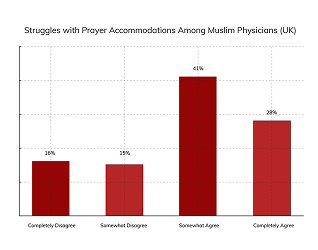
Struggles with Prayer Accommodations in the Workplace
According to the study, 69% of participants reported struggling to find a suitable space or time to pray during their shifts. Despite religious obligations requiring set prayer times throughout the day, many physicians found that their workplaces did not provide designated spaces or the flexibility to step away for a short period.
Perception of Workplace Discrimination Among Muslim Physicians
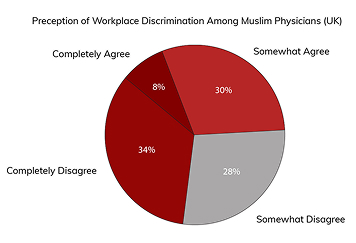
Workplace discrimination is a major concern, with significant variations in experiences. In the UK, 38% of participants reported facing discrimination, with 30% somewhat agreeing and 8% completely agreeing that they had experienced discrimination. Meanwhile, 34% completely disagreed, and 28% somewhat disagreed, disagreed indicating a divided perception of workplace discrimination. These findings highlight the need for more inclusive policies to ensure fair treatment for all healthcare professionals.
Predictors of Professional Accommodations
Key factors influencing professional experiences for Muslim physicians include visible religious expression and private religious practices.
Wearing a hijāb or beard in the UK was associated with greater career satisfaction but also correlated with increased bias in professional settings. Older physicians reported being passed over for promotions due to their religious identity.
Private religious practices also emerged as a notable factor. Higher levels of private religious activity were linked to increased challenges, such as struggling to find prayer accommodations. These findings emphasize the nuanced relationship between religious identity and career experiences, calling for better support to ensure equity in professional opportunities.
Burnout, Depression, and Workplace Motivation
Our study found some key factors that impact burnout, depression, and motivation at work:
· Burnout: Most participants reported some degree of burn-out (72/87; 83%). Older participants and those who wore a hijāb or beard were less likely to experience burnout. As age increased, the chances of burnout decreased. Wearing a hijāb or beard also significantly reduced the risk of burnout.
· Depression: Wearing a hijāb or beard was linked to lower chances of depression.
· Workplace Motivation: Older participants were more likely to feel motivated at work.
Recommendations for Policy and Practice
To improve equity and inclusion for Muslim physicians in the UK, the following steps should be considered:
1. Institutional Prayer Accommodations – Hospitals and medical institutions should designate prayer spaces and allow physicians short breaks for religious observance.
2. Bias-Free Hiring and Promotion Policies – Clear guidelines should be enforced to ensure equal opportunities for Muslim healthcare professionals.
3. Diversity and Inclusion Training – Mandatory DEI training for hospital leadership and staff to address unconscious bias and microaggressions.
4. Mental Health and Well-being Support – Implement wellness programs to mitigate burnout, including peer support networks and confidential reporting mechanisms.
5. Stronger Legal Protections – Advocacy for greater legal protections and enforcement of anti-discrimination laws in the UK.
By implementing these changes, healthcare institutions can promote a more inclusive, supportive, and equitable environment for Muslim physicians, allowing them to excel in their careers while maintaining their religious identity.
Summary and Implications:
The survey data revealed that religious importance was positively associated with discrimination from patients and depression, and negatively associated with prayer accommodations in the workplace. However, engaging in congregational religious activities was negatively associated with discrimination from patients and job turnover. Arabs, South Asians, and Whites had lower odds of experiencing workplace discrimination, job turnover, burnout, and depression than African Americans.
Qualitative analysis of physician interviews (n=18) revealed that American Muslim physicians regularly face discrimination because of their religious identity and lack adequate institutional accommodation for their religious practices (e.g., time or space for prayers). These experiences link to several negative downstream outcomes including low sense of belonging in academic medicine, job turnover, and abandoning religious practices.
This study highlights how religious identity and religiosity negatively impact workplace experiences and well-being among Muslim physicians and highlights the deep psychological and career effects of working in a space perceived to be non-accommodating of religious practices. This research calls attention to the urgent need for academic medical centers to ameliorate workplace discrimination and pursue policies of workplace accommodation for physicians with strong religious identities.
Policy Report
Publications
- Religious Identity Discrimination in the Physician Workforce: Insights from Two
National Studies of Muslim Clinicians in the US. Journal of General Internal Medicine, 2023. - The Impact of Practicing Both Medicine and Religion: Muslim Identity as a Predictor of Discrimination, Accommodation, and Career Outcomes in Academic Medicine. Academic Medicine, 2023.
- Muslim American Physicians’ Experiences with, and Views on, Religious Discrimination and Accommodation in Academic Medicine. Health Services Research,
2023. - A Religious Minority Tax in Healthcare? Insights from Muslim American Physicians. SSM – Qualitative Research in Health, 2023.
- Relationships Between Religious Commitment, Workplace Experiences, and Professional and Psychological Outcomes Among U.S. Muslim Physicians. Academic
Medicine, 2024. - Religious Identity-based Discrimination in the Physician Workforce: Findings from a Survey of Muslim Physicians in the United Kingdom BMJ Leader, 2024.
- Religiosity, Religious Discrimination, and Job- and Health-Related Outcomes Among Muslim American Physicians: A Multiple Mediation Model. Under Review
Presentations
Community Conferences
- Muslim Clinicians in the Medical Academy, Anesthesiology Grand Rounds DEI, Medical College of Wisconsin, Milwaukee, WI, 2/2022.
- Being Muslim in Academic Medicine, Nagamia Institute of Islamic Medicine and Sciences (NIIMS), Rolling Meadows, IL, 7/2022.
- Accommodating Muslim Values in Healthcare, Medical College of Wisconsin, Milwaukee, WI, 8/2022.
- Health Policy & Advocacy Priorities for American Muslims Centering Equity, National American Muslim Policy Conference, Virtual, 6/2022.
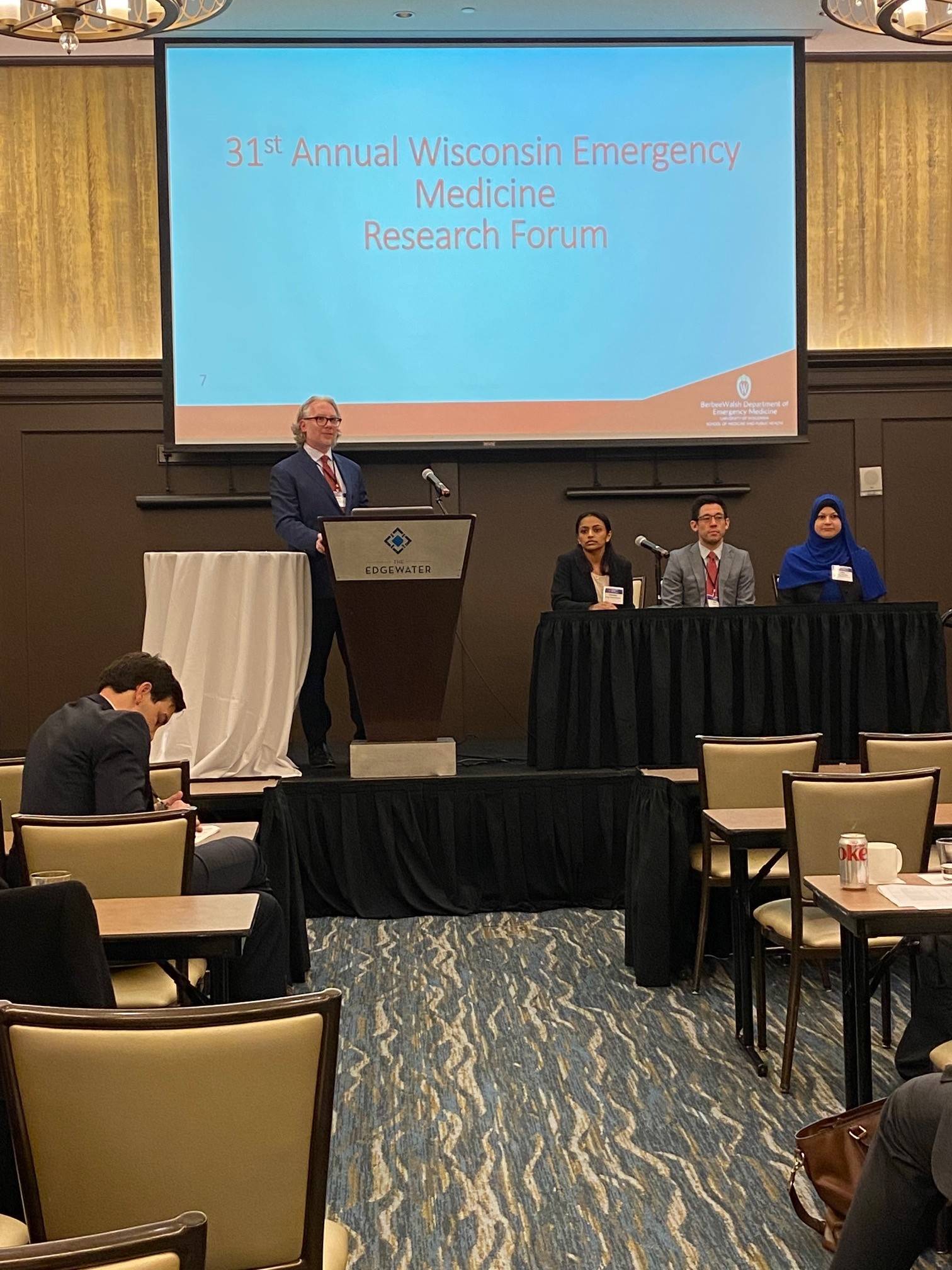
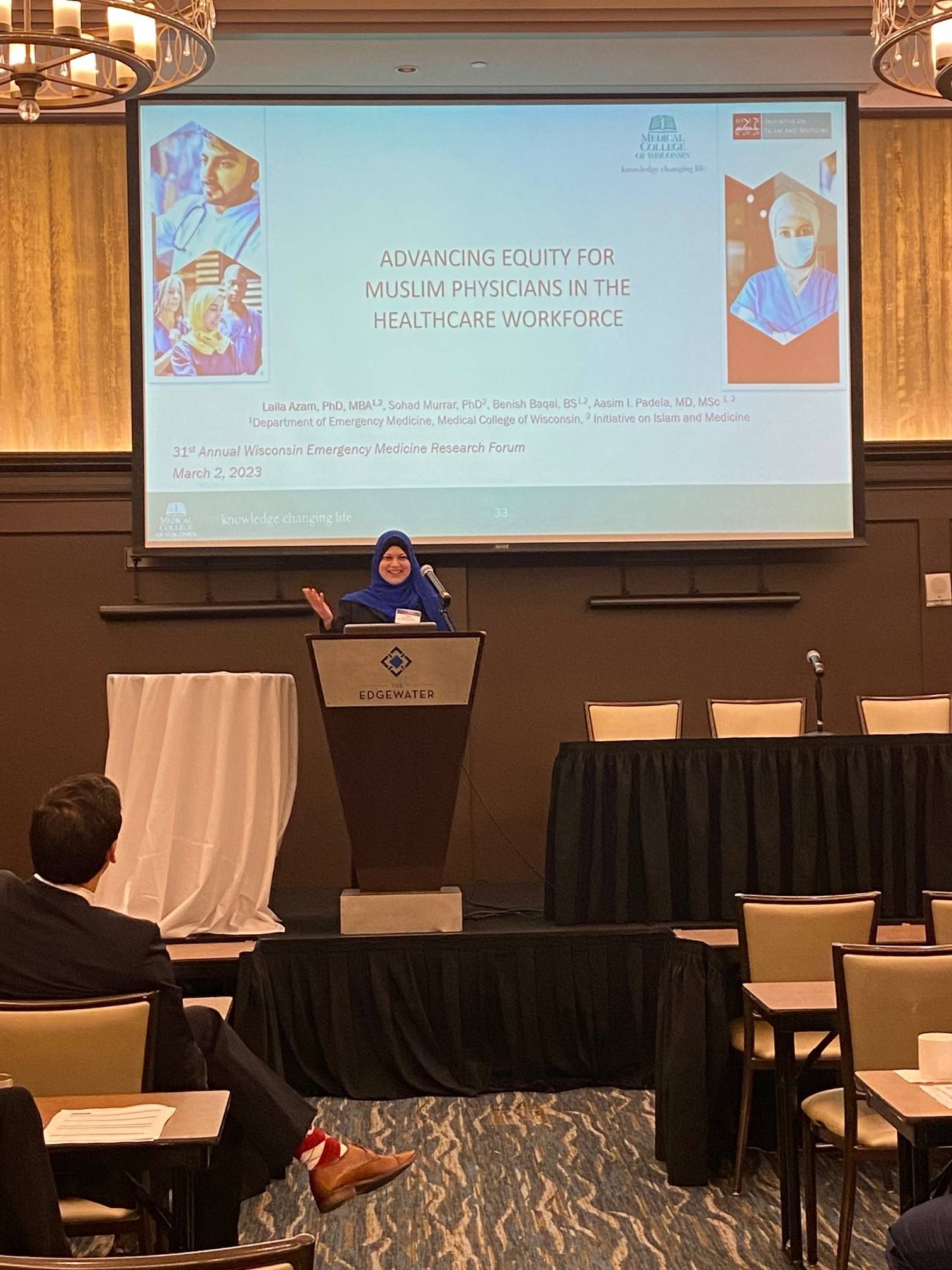
- Advancing Equity for Muslim Physicians in the Healthcare Workforce, 31st Annual Wisconsin Emergency Medicine Research Forum, Madison, WI, 3/2023.
Academic Conferences
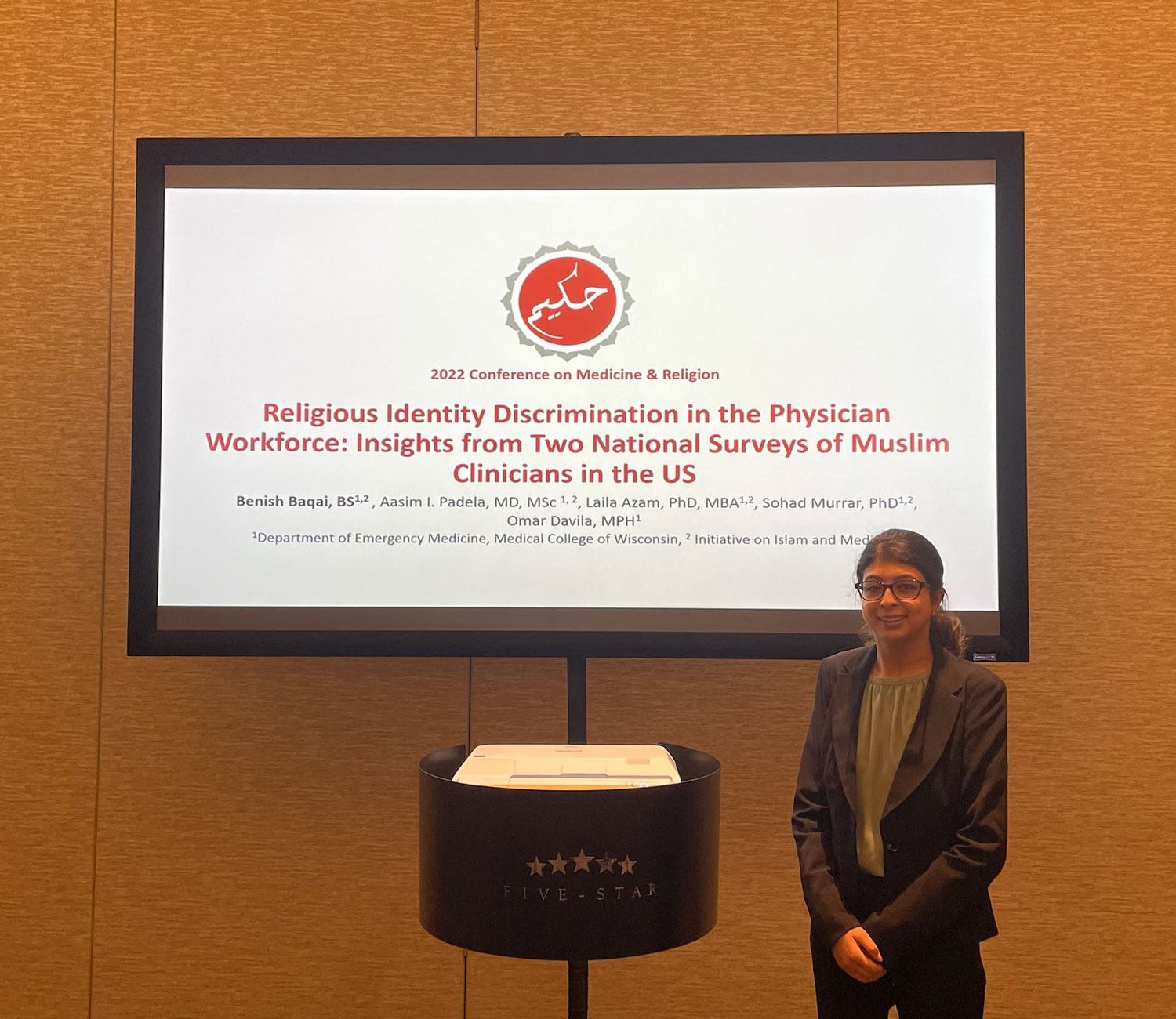
- Religious Identity Discrimination in the Physician Workforce: Insights from Two National Surveys of Muslim Clinicians in the US, Conference on Medicine and Religion, Portland, OR, 3/2022.
- Religious Accommodation or Professional Indoctrination? Experiences of Muslim Physicians in Academic Medicine, Conference on Medicine and Religion, Portland, OR, 3/2022.
- Advancing Institutional Workforce Equity: Insights From Muslim Physicians in Academic Medicine, The Academy for Professionalism in Health Care, Philadelphia, PA, 6/2022.
- Religiosity Predicts Discrimination, Accommodation, and Career Outcomes for Muslim Physicians in Academic Medicine, The Academy for Professionalism in Health Care, Philadelphia, PA, 6/2022.
- Religious Identity Discrimination in the Physician Workforce: Insights from Two National Surveys of Muslim Clinicians in the US, American Muslim Medical Students Association, Ann Arbor, MI, 8/2022.
Media Highlights
- Washington Post.
- Discrimination Against Muslim Physicians on the Rise, Advancing Equity for Muslim Physicians in the Healthcare Workforce.
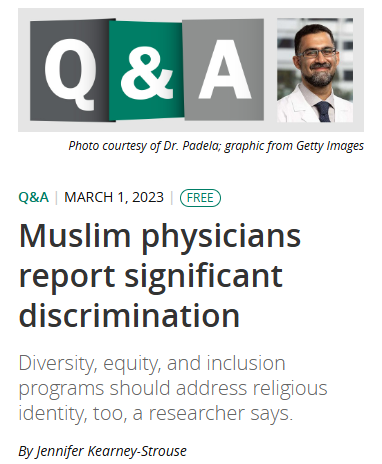
- Muslim physicians report significant discrimination, March,1/ 2023.
- The Detroit News.
- Medical College of Wisconsin Research Shows Increasing Religious Discrimination Against Muslim Physician In U.S, Jan,4/ 2022.
- Corewell Health Clinic Accused of Religious Discrimination, Overprescribing Opioids. March,26/2023.
- Whitehead, S. (2023). Muslim Physicians Face Rising Discrimination, Islamic Horizons Journal. March,01/2023.
Media Highlights
Links to Resources
- Know Your Rights – A fact sheet describing religious rights in the workplace and what steps to take if your rights have been disregarded, Muslim Advocates.
- Filing a Conscience and Religious Freedom Complaint – File a complaint online about religious discrimination. Federal Conscience and Religious Freedom Laws help to protect you from coercion, discrimination on the basis of conscience or religion, and burdens on the free exercise of religion, Office of Civil Rights.
- Ḥijāb in the OR – A guide to ḥijāb in the operating room, written by Dr. Deena Kishawi.
Employee Resources:
- An Employer’s Guide to Islamic Religious Practices – A pamphlet designed to aid employers in formulating and implementing policies to create a culturally inclusive workplace, Council on American-Islamic Relations.
- Religious Diversity Manager Training – A session designed for managers to learn how to respond to accommodation requests and foster an inclusive work environment, Tanenbaum Foundation.
- TAHSN Standards for Religious Attire for Health Care Workers, Learners and Volunteers in Hospital Areas with Sterile Procedure – Standards and shared expectations related to clothing worn by religiously observant individuals working in hospital areas with sterile procedures, The Toronto Academic Health Science Network (TAHSN).
- Muslim Resident Cases – A chapter in the book, Diversity and Inclusion in Quality Patient Care: A Case-Based Compendium (pgs. 305-314), that presents four cases of ethical challenges in healthcare provision for Muslim patients.
Dissemination Products
Videos
Muslim Clinicians in the Medical Academy
Healthcare Workforce Webinar
Being Muslim in Academic Medicine
Religiosity Predicts Discrimination, Accommodation, and Career Outcomes for Muslim Physicians in Academic Medicine Conference
National American Muslim Policy Conference
Healthcare Workforce Webinar
- Funding
- Partner Organizations
The opinions expressed in this publication are those of the authors. They do not reflect the opinions or views of the grant funding organizations.



Gallery
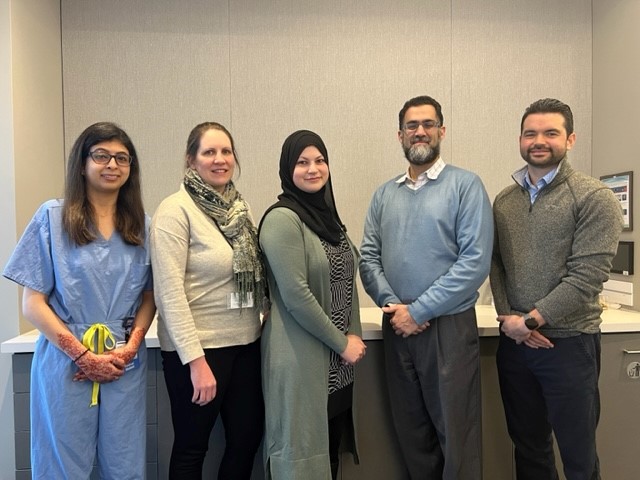
Meet The Project Team
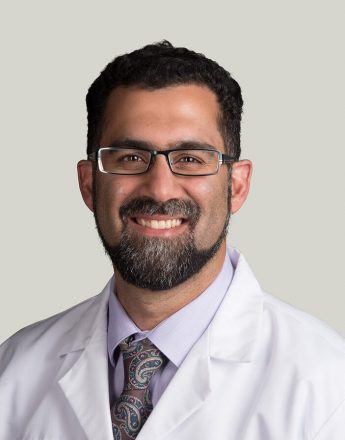
Aasim I. Padela, MD, MSc
(Medical College of Wisconsin & The Initiative on Islam and Medicine)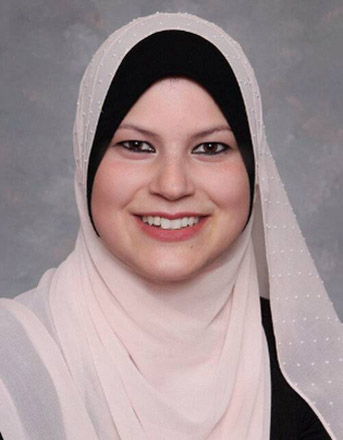
Laila Azam, PhD, MBA
Medical College of Wisconsin
Research Scientist

Benish Baqai
Medical Student at the Medical College of Wisconsin
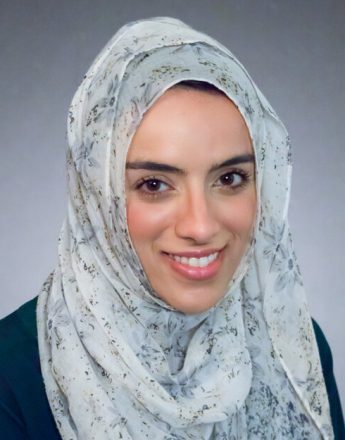
Sohad Murrar, PhD
Research Scientist
Initiative on Islam and Medicine © 2025 - All Rights Reserved. Designed and Powered By Digaptics